
Seattle’s downtown has been quietly recovering from the pandemic, and the recent Seahawks Super Bowl parade — which drew hundreds of thousands into the streets — put a spotlight on the city’s ongoing recovery and its ability to sustain large crowds. That same spotlight will shine again this summer with six FIFA World Cup matches, bringing global attention and massive international foot traffic.
But as summer draws nearer, so do questions about what we can truly accomplish in time, and whether current policies will deliver a downtown that feels vibrant, safe, and economically healthy long after tourists go home.
Let’s examine both the goals Mayor Katie Wilson has already set ahead of the World Cup, and what goals are already in place to revive Seattle’s downtown.
Wilson on homelessness: bring people inside, create 500 new shelter and housing units
It’s unclear whether Mayor Katie Wilson has a comprehensive revitalization plan in mind ahead of the World Cup, but she is very clear on addressing homelessness.
Wilson told Politico she is using the fixed deadline of the 2026 FIFA World Cup to accelerate action on Seattle’s homelessness and housing crisis, particularly in and around downtown. Rather than focusing on encampment removals, Wilson said her goal is to ‘bring people inside’ with the city aiming to add roughly 500 new shelter and housing units ahead of the tournament. Wilson outlined the details of this plan in the first executive order of her term.
Is it possible?
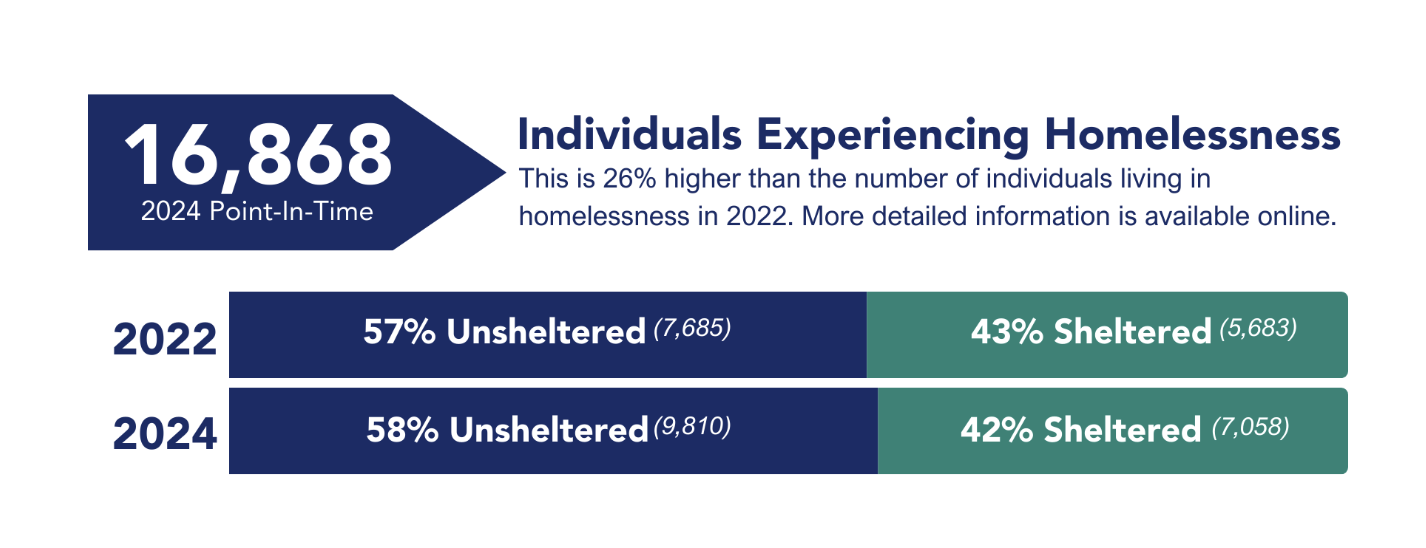
With an estimated 16,000 unhoused people living in Seattle, getting folks inside seems like a tall order, and Democratic Rep. Nicole Macri is voicing her doubts. “We do not have sustainable resources to scale up all the places for people to come inside, be it permanent or temporary locations,” Macri said, drawing on her experience as deputy director for strategy at a homeless nonprofit.
Expediting transit improvements: from a new bus line to light rail progress
While not directly related to the World Cup, Wilson used her second executive order to speed up transportation improvements. The order called for at least one dedicated bus lane on Denny Way and expedited plans for transit-expanding infrastructure. SDOT is to deliver budget, timeline, and implementation plans by April 17.
In a recent briefing with the Foreign Press Center, Wilson talked about other World Cup preparations, including extra runs on light rail and metro buses, a new bike lane to be installed near Seattle Center, and increasing ease of pay on transit rides by offering tap-to-pay with debit and credit cards.
In addition to shortening light rail headways to 8 minutes during the games, Sound Transit expects to complete the East Link Extension (2 line), which will connect the eastside to the 1 line in Seattle, this March.
Seattle’s Downtown Activation Plan progress
While downtown’s reputation for its homelessness crisis and open drug use brings up public safety concerns ahead of the World Cup, the Downtown Activation Plan (DAP), launched in 2023 by previous mayor Bruce Harrell, has set goals that address those concerns. The DAP currently monitors goals across six major areas: residents, workers, tourism, retail, culture, and green initiatives.
Under this plan, the Office of Economic Development publishes the DAP Dashboard that keeps tabs on specific goals. According to the DAP, success look like:
- Increased overall foot traffic
- Reduction in fentanyl/meth overdoses
- Reduction in emergency medical responses
- Increased housing occupancy
- 60% of people working downtown 3+ days a week
- Increased retail spend downtown
- Increased visits to cultural institutions
- Increased public transit ridership
- Increased foot traffic outside working hours
How is the Downtown Activation Plan currently faring? For a comprehensive analysis, we’ll dive into that in a later post. For the purpose of preparing an influx of FIFA visitors, we’re looking at the most plainly visible indicators: public safety and retail vacancy.
Public safety downtown: is it improving?
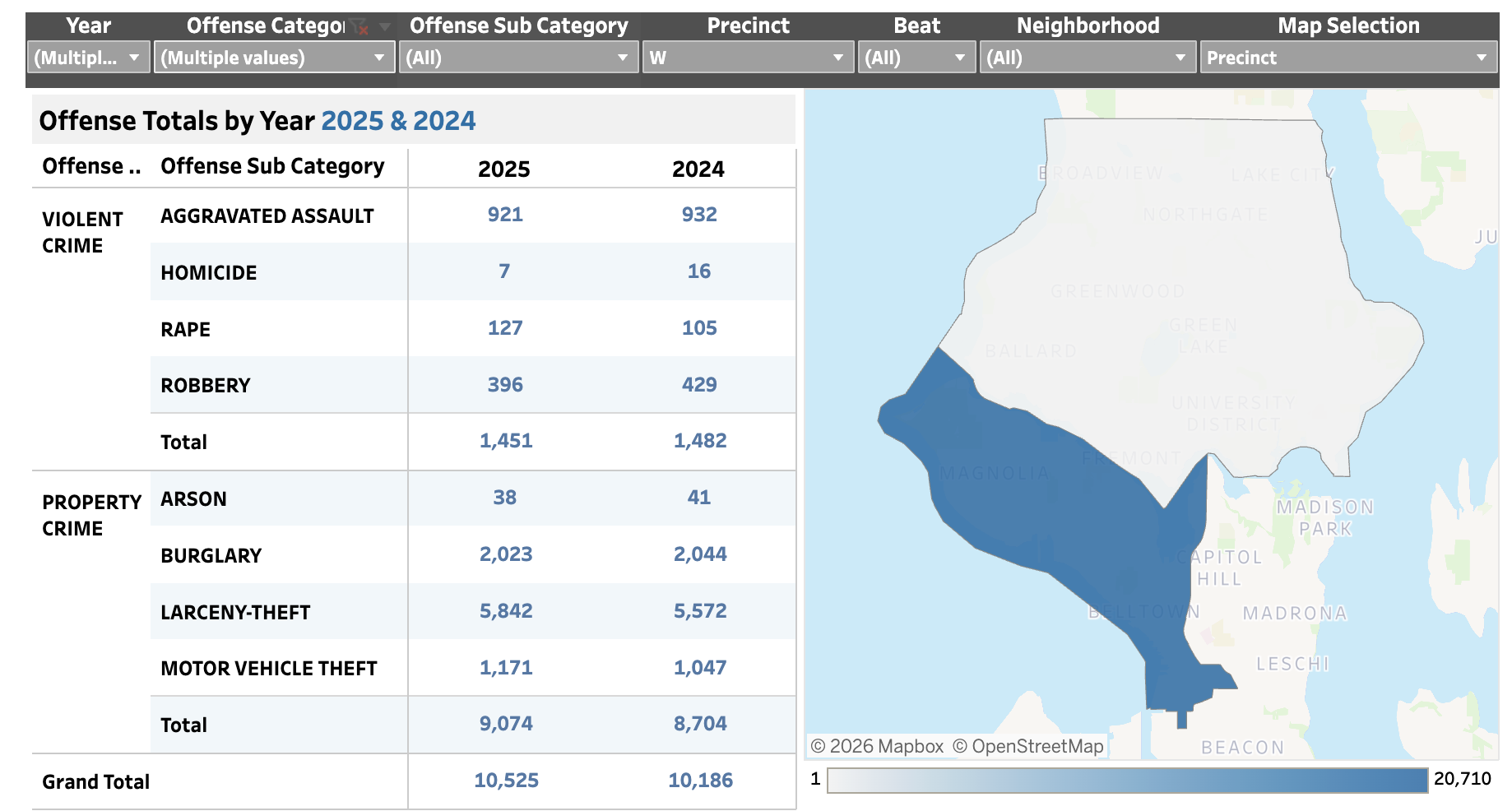
While DAP’s goal is to improve public safety concerns, it doesn’t publish statistics on its dashboard. Seattle Police Department’s West Precinct, which covers downtown, reported a decrease in homicides by nearly half from 2024 to 2025. While robberies decreased by nearly 8 percent, total violent crimes stayed nearly the same. Total property crimes, however, increased slightly.
Drug use and overdoses remain a concern downtown. According to King County, 86 fatal overdoses occurred in the larger downtown area in 2025, accounting for 10.1% of the county’s total.
Retail and office occupancy: addressing empty buildings downtown
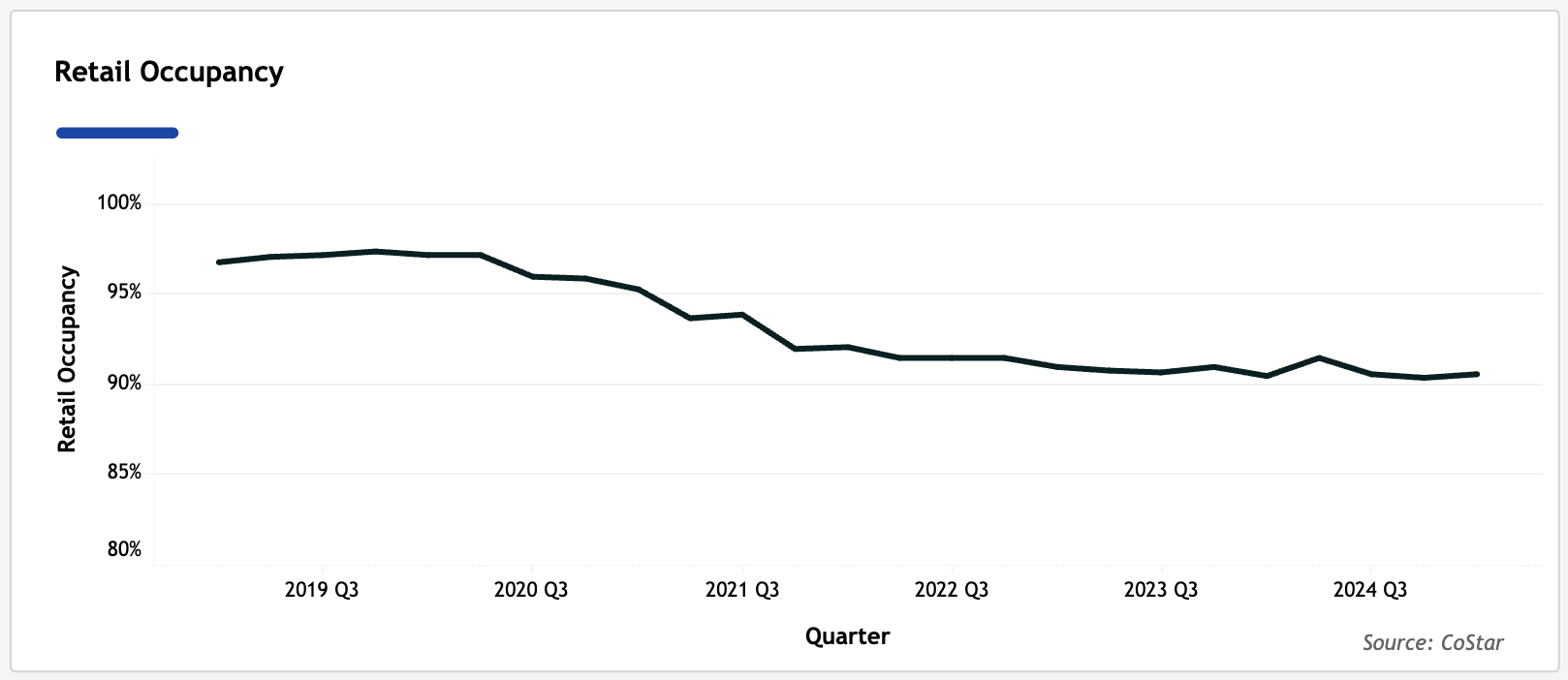
A thriving retail core is one way to show off Seattle as a world class city, but empty storefronts may tell a different story. Retail occupancy is holding flat at 91% occupancy since Q2 in 2022 (latest data is from Q1 2025) despite downtown closures — like Ross Dress For Less on Third and Pike — still happening. For comparison, occupancy was at 97% in Q3 of 2019.
Office occupancy is faring much worse, and likely won’t budge much before summer. As of Q1 2025, occupancy was at 75% compared to 93% in Q4 2019.
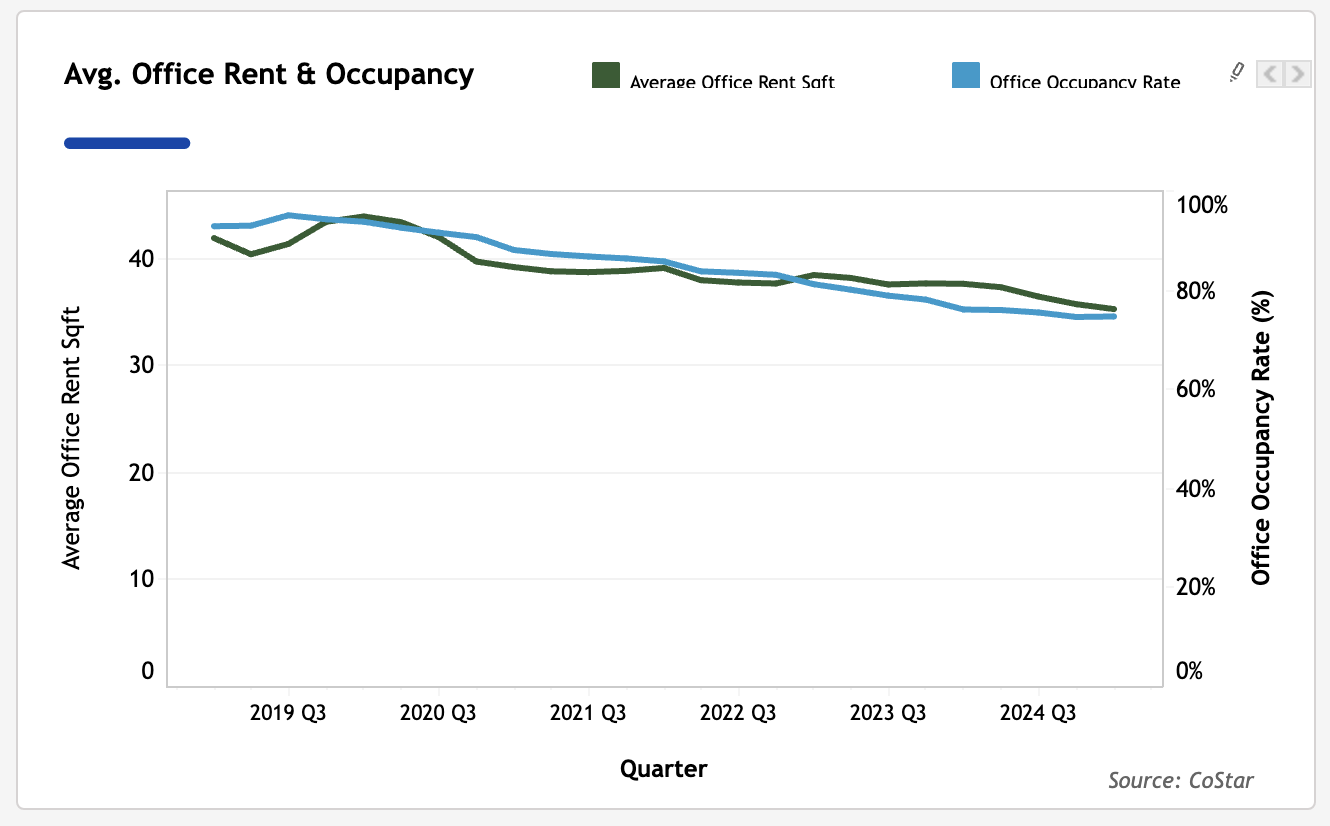
How is the city of Seattle planning to get more businesses downtown? Seattle’s Design Review exemptions allow certain qualifying projects like downtown retail to bypass full design review, speeding up permitting until April 2026.
Final thoughts
The World Cup offers a unique deadline and opportunity to showcase Seattle’s urban core to the world. But real success will depend on whether Seattle can meaningfully (or visibly) address public safety concerns, homelessness, transportation improvements, and increase business occupancy downtown. Will we be ready?