
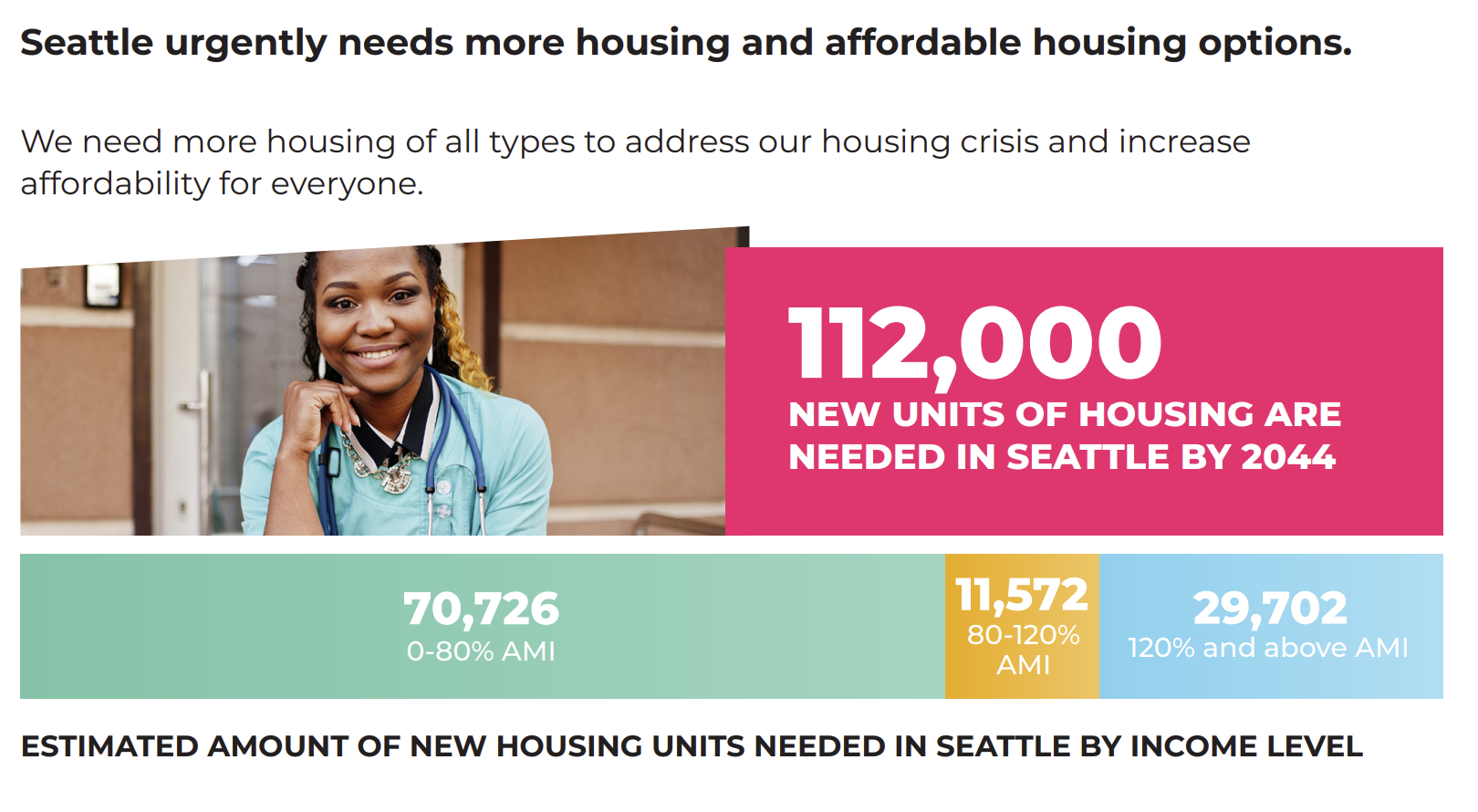
Seattle’s Social Housing Developer was created with a strong public mandate: Voters overwhelmingly approved both the idea of a new public developer and a dedicated funding source to support it. The promise was ambitious — a publicly owned housing model that could deliver mixed-income homes at scale, remain affordable in perpetuity, and complement (or improve upon) the city’s existing affordable housing system.
Three years later, the organization has yet to acquire a building — but it has begun the transition from institutional formation to market-facing execution. At the same time, its first CEO was fired days after a key development pipeline deadline.
The institution now enters its first year of significant revenue under heightened scrutiny over its governance and operational readiness. Yesterday, the City Council unanimously approved the final legislative step to begin funding the developer through a 5% tax on total compensation for employees earning over $1 million. Today, Mayor Katie Wilson announced this year’s revenue transfer: $115 million, more than double the original estimate.
This explainer walks through what the social housing developer was meant to be, how its early years unfolded, how a pattern of internal dysfunction manifested, and what will matter going forward.
Summaries of activities are all pulled from Board Meeting Minutes and publicly available recaps, unless otherwise sourced.
What the Social Housing Developer is and why voters supported it
The Seattle Social Housing Developer (SSHD) is a public development authority created to acquire, develop, own, and operate social housing. Unlike traditional subsidized housing, which often relies on complex layers of tax credits and income restrictions, social housing aims to blend tiers of rent tied to income within the same buildings, using higher rents to help subsidize lower ones over time, as described in the I-135 initiative text.
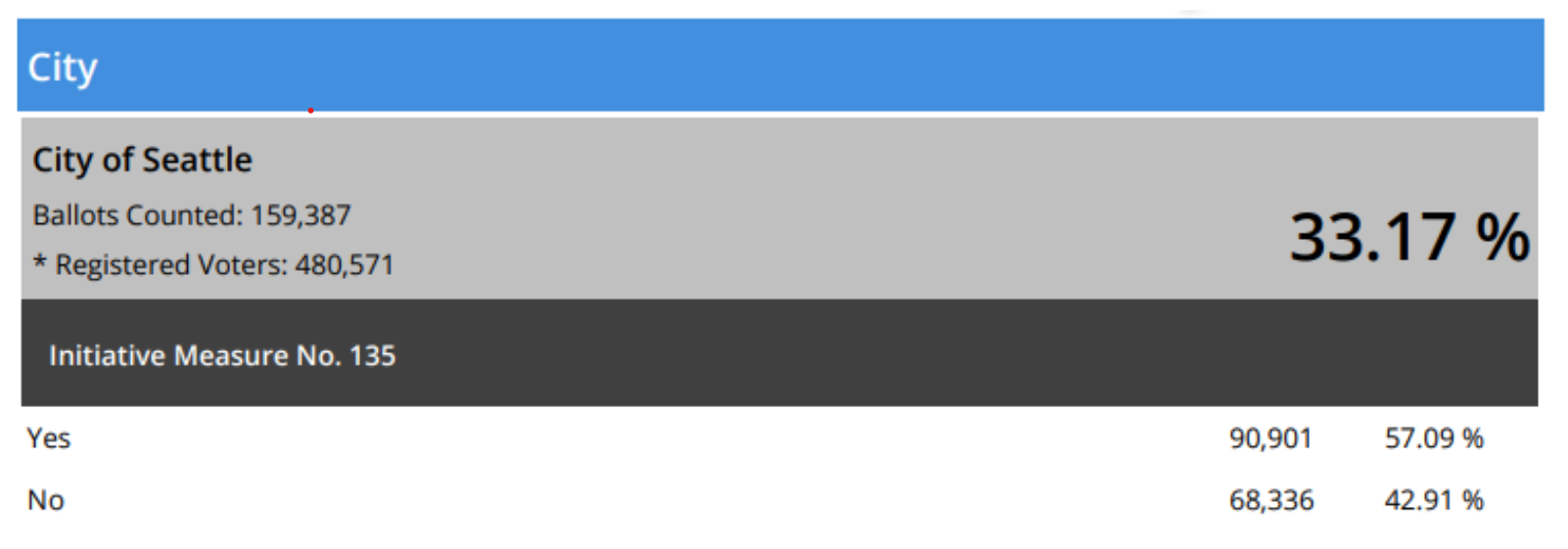
Source: King County Elections
The concept resonated with Seattle voters for several reasons. It offered a new approach amid widespread frustration with rising rents, displacement, and the slow pace of affordable housing production. It promised stability — housing that would remain in public ownership rather than cycle out of affordability. And once paired with a dedicated funding source, voters affirmed their seriousness about wanting results, at scale.
Board performance: governance has yet to stabilize
SSHD was tasked with building an entirely new public institution from scratch. Over its first two years, the agency adopted bylaws and committee structures, retained legal and financial support, and began developing the administrative capacity required to manage public assets and revenue.
It’s also true that, from its earliest months, SSHD struggled to function as a stable governing body—and struggles to this day.
Leadership roles have rotated frequently, with repeated changes in chair and treasurer positions and occasional “acting” appointments filling gaps. Vacant board seats sometimes lingered due to external appointment processes.
Turnover alone is not unusual in a new public entity. What mattered more was the persistence of role ambiguity. Board minutes repeatedly returned to unresolved questions: How much authority should the executive committee exercise? Where should the line be drawn between board oversight and executive management? Who evaluates the CEO, and under what process?
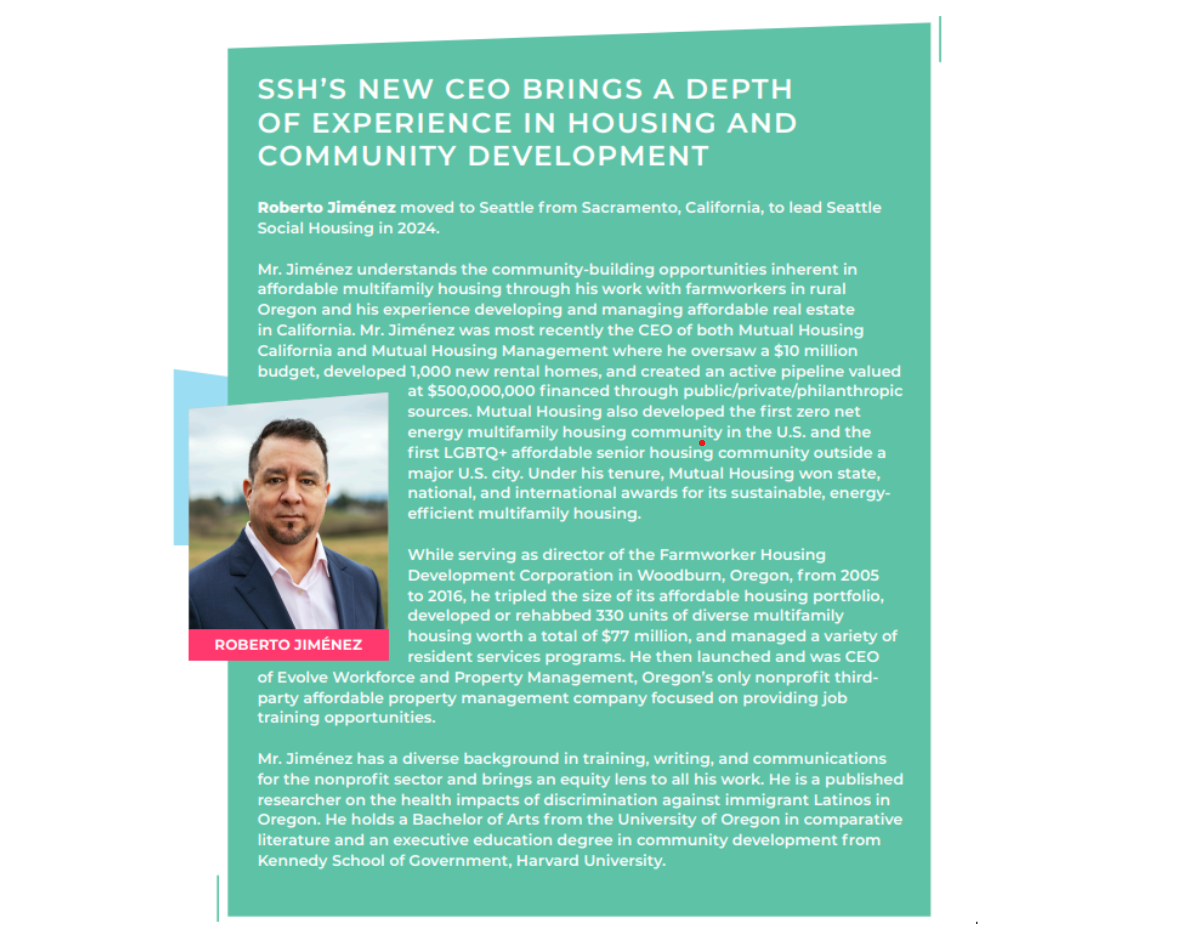
This instability showed up in stalled actions. The hiring of Roberto Jimenez, SSHD’s first CEO, took longer than initially anticipated, leaving the organization without dedicated executive leadership well into its second year. Similarly, the board did not adopt a formal strategic plan until mid-2025, meaning that for two years SSHD operated without a shared, board-approved roadmap for priorities, sequencing, and success.
Source: Social Housing Developer
Operational challenges: fragile systems and credibility erosion
Alongside (and perhaps because of) governance challenges, SSHD faced significant growing pains in its basic operations.
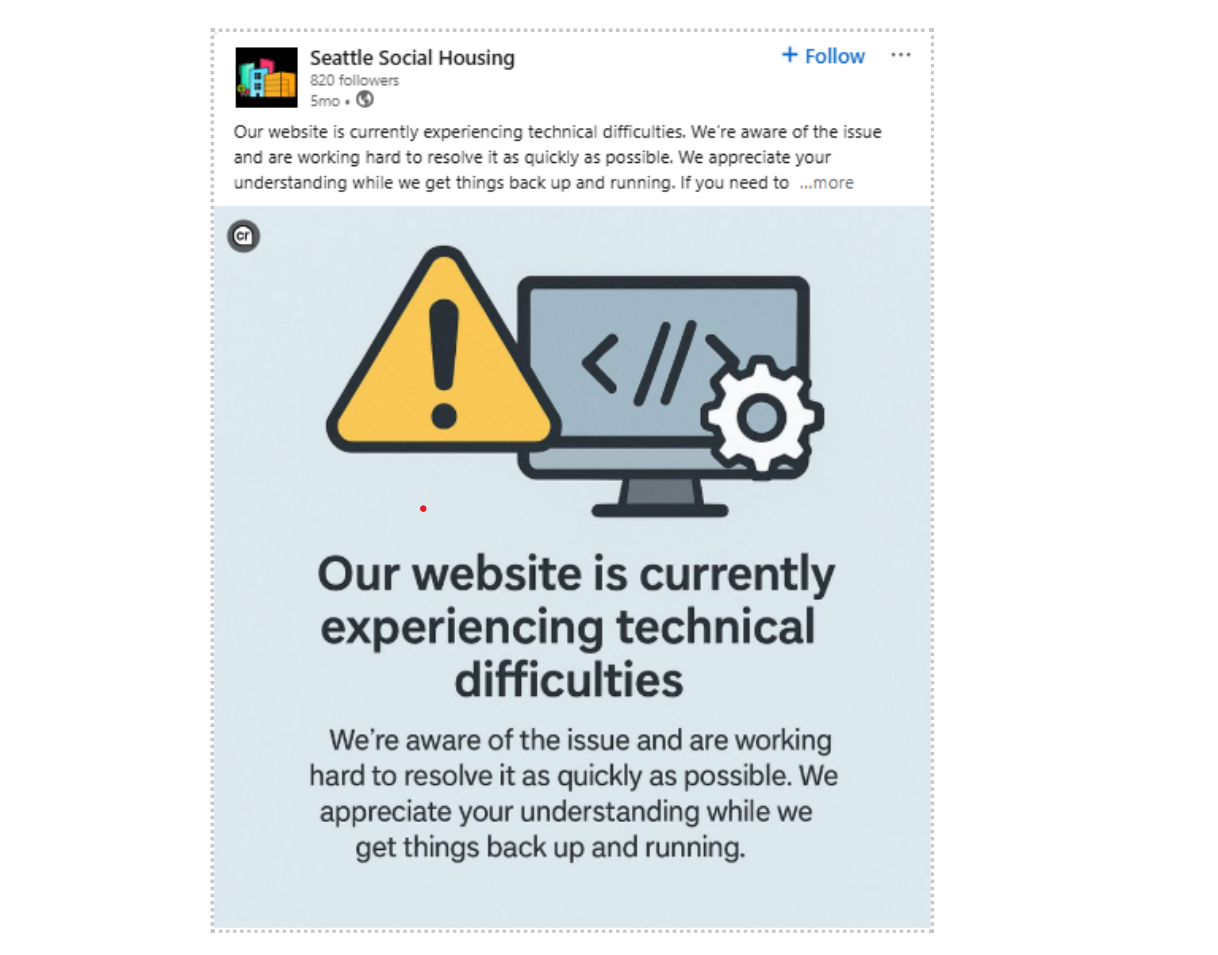
Core systems took longer than expected to establish. Banking arrangements were delayed and later changed; an IT migration to Microsoft 365 stretched across multiple quarters; and a dispute with a contractor led SSHD (and the public) to being locked out of the website.
As scrutiny increased, SSHD leaned more heavily on outside legal and consulting support for Public Records Act compliance and communications, adding costly line items to the budget while core functions remained immature.
Evolution of the project pipeline
For much of its early life, SSHD’s real estate efforts centered on confidential discussions of potential acquisitions — commonly referred to as “Project X,” and later additional projects — discussed in executive session. Confidentiality is standard in real estate, but in the absence of notable progress, it left us with limited insight into how the organization would achieve its strategic plan aim of “site control for one strategically located property by the end of 2025.”
In November 2025, instead identifying specific sites or committing to transactions, SSHD issued a public Properties Request for Information (RFI) with a deadline of January 9, 2026.
The RFI signaled the types of opportunities SSHD intended to evaluate as it prepared for its first year of significant revenue. As mentioned in a previous report, these now include:
- Stalled but fully permitted multifamily projects
- Existing affordable housing at risk of private acquisition
- Anti-displacement acquisitions in vulnerable neighborhoods
- Surplus public land for future ground-up development
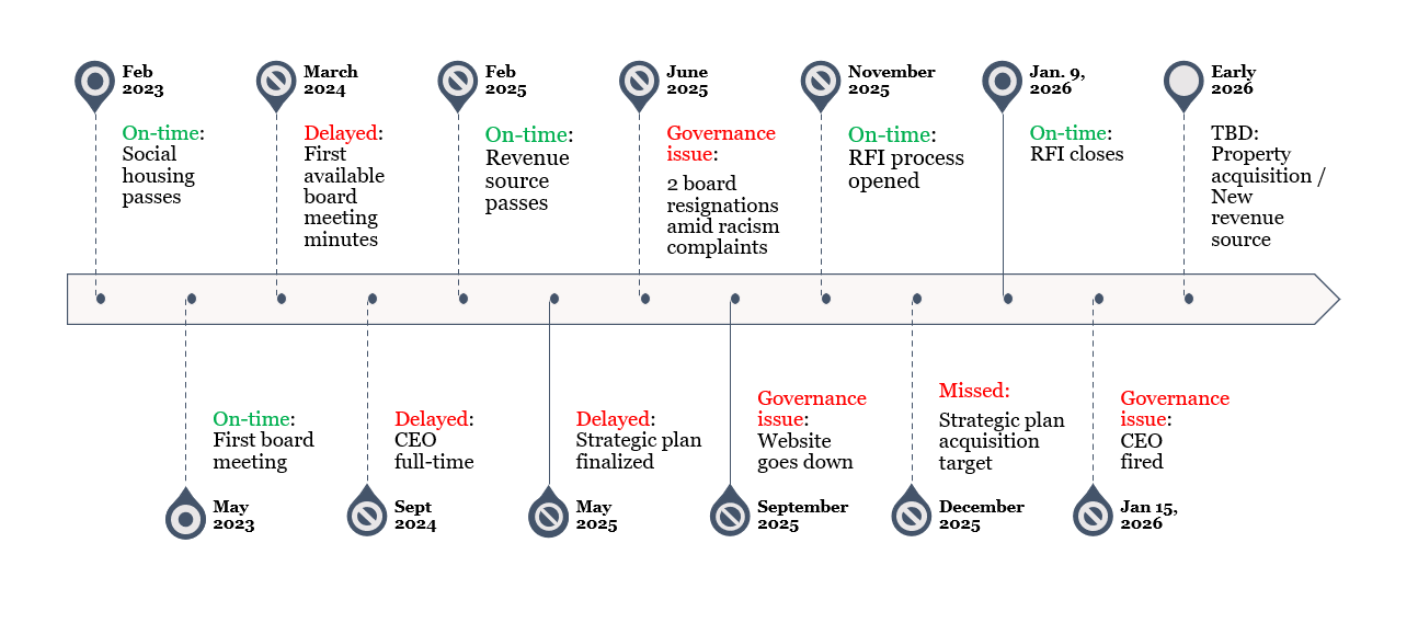
The timing of the RFI suggests that SSHD is still in an exploratory phase at the start of this year. Given the remaining steps required to evaluate proposals, secure financing, negotiate purchase agreements, and close on a property, the organization has already failed to achieve its strategic plan target and appears some distance from delivering on newer expectations of an acquisition by early 2026.
The RFI deadline and the CEO’s removal
The sequencing of events is difficult to ignore.
The RFI closed on January 9. On January 15, the board fired the CEO.
Said another way: just as the organization was moving toward visible forward momentum, the Board moved to disrupt operational leadership.
The termination followed months of escalating internal and external strain. In mid-2025, several board members resigned, citing concerns about CEO leadership, governance, and racism. Those departures prompted the board to retain an outside investigator to review complaints related to the CEO’s conduct and management style. By December, a coalition of community groups, housing advocates, and labor issued a public letter documenting concerns about leadership.
Taking all events into account, the CEO’s removal was not an isolated implosion but part of a track record of Board fragmentation and instability.
What to watch next
With leadership reset and revenues beginning to flow, SSHD now enters a phase where progress can be more clearly measured.
- Governance stability: Will the board retain consistent leadership through 2026? Is there a documented CEO evaluation and delegation process that survives turnover?
- Operational maturity: Are public records handled? Do IT systems, vendors, and document management function without disruption?
- Pipeline conversion: How many RFI submissions were received, and how quickly does SSHD move from screening to closings?
- Financial realism: How do actual tax revenues compare to SSHD’s own forecast range (approximately $40–$80 million cited in board discussions)? How transparently are plans revised as conditions change?
- Coalition alignment: Do labor and advocacy partners — including House Our Neighbors, which helped create and fund the developer — publicly re-align around a shared understanding of priorities and success?
Conclusion
Seattle voters authorized a bold idea and a powerful tool. Whether Seattle Social Housing can now translate that mandate into housing will depend less on vision than on whether it can stabilize governance and operations — and do so quickly, before political capital runs out.